
 Skin cancer is the most common cancer in the United States, and while anyone can develop it, certain factors can significantly increase your risk. Knowing common risk factors can help you be proactive about scheduling regular skin cancer screenings and protecting your skin daily.
MacInnis Dermatology is led by Dr. Colleen MacInnis, MD, a board-certified dermatologist and highly trained Mohs surgeon with extensive experience in diagnosing and managing skin concerns. With over 10,000 Mohs surgery cases involving skin cancers of the face and body, Dr. MacInnis is exceptionally skilled at spotting suspicious lesions early and delivering advanced, precision-based care when treatment is needed.
1. Frequent Sun Exposure
A lot of time outdoors without the right protection increases your risk over time. Ultraviolet (UV) rays damage skin cells, and that damage can build up over the years, even if you don’t burn.
2. History of Sunburns
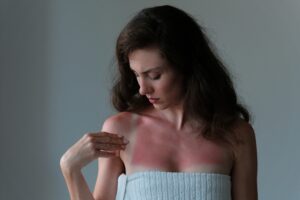
One blistering sunburn, even as a child, can double your risk of getting melanoma later in life. Sunburns are a sign that UV damage has already occurred, making it important to take skin changes seriously moving forward.
3. Indoor Tanning
Tanning beds expose your skin to strong UV radiation. Even occasional tanning can increase your risk. If you’ve used tanning beds in the past, consider scheduling routine skin checks for peace of mind.
4. Fair Skin, Light Hair, or Light Eyes
People with fairer skin tones have less melanin, which provides some natural protection from UV rays. If you have light skin, freckles, red or blonde hair, or blue/green eyes, you may burn faster and accumulate UV damage more easily.
5. Family or Personal History of Skin Cancer
If a close relative has had melanoma, your risk increases. Likewise, if you’ve had skin cancer before, even a “non-melanoma” type, you’re more likely to develop it again. Regular full-body skin exams are essential in these cases.
6. Lots of Moles or Atypical Moles
Having many moles (especially more than 50) or “atypical” moles increases melanoma risk. Irregular moles should be closely monitored, and any change in size, shape, color, or texture should be promptly evaluated.
Schedule Your Skin Check and Protect Yourself in Leesburg, FL
A professional skin cancer check is quick, easy, and one of the best ways to catch concerns early. Call us at 352-350-5230 to schedule an appointment.